

Dubai Design Week Accelerates Global Dialogue Through Innovative Regional Creations
Dubai Design Week showcased a vibrant exchange of ideas and creativity, highlighting the region’s evolving design landscape. Emerging designers converged at the d3 district, offering significant insights into the Middle East’s future in design.
The Athath Fellowship and Emerging Talent
A key feature of the event was the Athath Fellowship, which plays an instrumental role in nurturing young talent. This program connects emerging designers from across the Arab world with experienced mentors from various disciplines. By emphasizing mentorship, research, and prototyping, the fellowship prioritizes process and contextual understanding over mere aesthetics.
Among the notable works presented was Makrama by Nour Hamdan. This piece reinvents macramé, transforming it from decorative art into a language of structure and space. Hamdan’s approach elevates traditional craft, illustrating how heritage techniques can serve as a foundation for contemporary design innovations rather than evoking nostalgia.
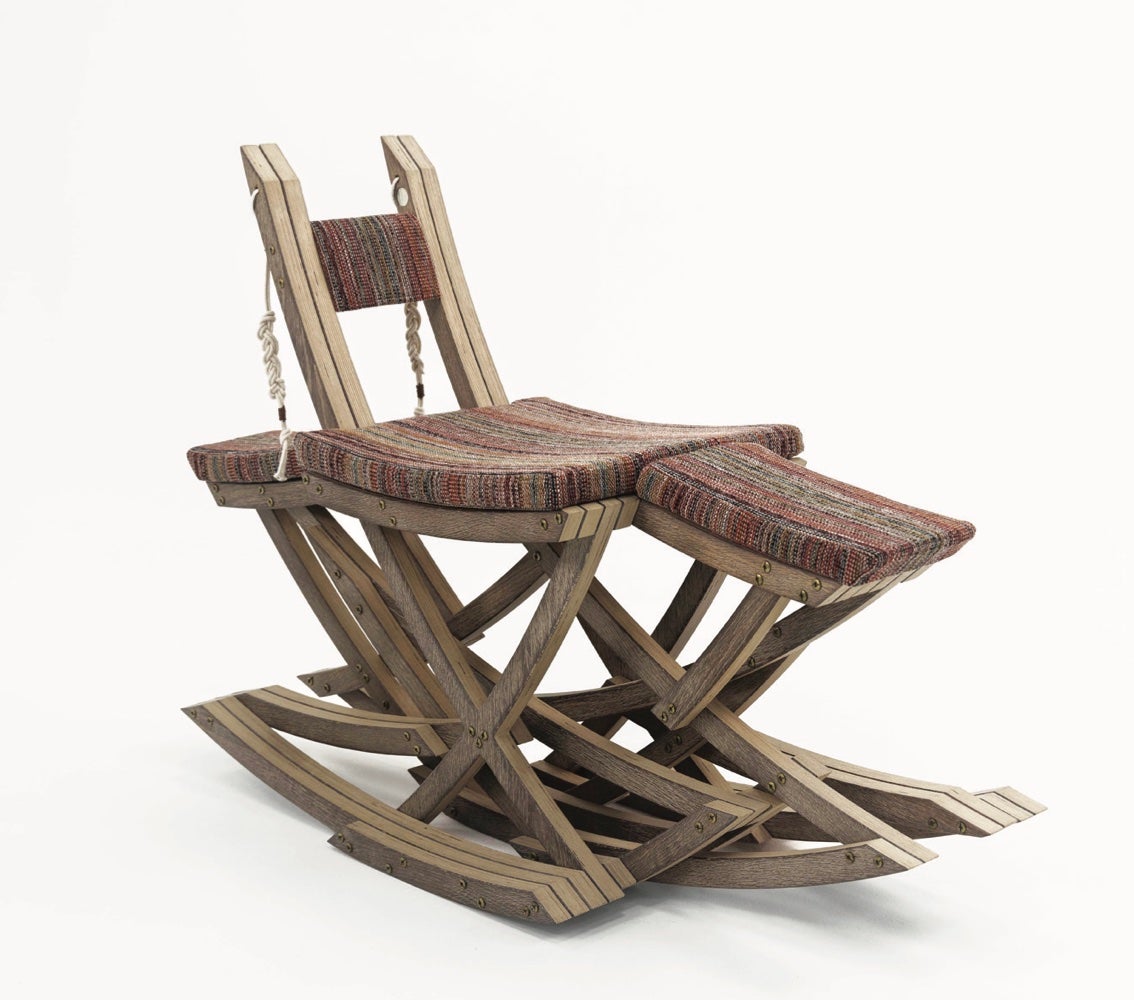
Another highlight, Yara by Moustafa Zakaria, explored social dynamics through its modular seating design. This creation draws inspiration from regional courtyard typologies, successfully balancing simplicity with flexibility. The system allows for easy transitions between private and communal arrangements, effectively positioning furniture as social infrastructure. These featured works embody the collaborative spirit fostered by the Athath Fellowship, marked by experimentation and engagement with the region’s design narrative.
UAE Designer Exhibition: A Broader Curatorial Vision
The UAE Designer Exhibition returned this year with an expanded curatorial vision that tackled pressing themes such as sustainable urban living and evolving material economies. Supported by the Dubai Culture & Arts Authority, the exhibition featured emerging studios committed to purposeful design. These designers draw from cultural narratives while innovating beyond traditional practices.
Among the exhibitors, Nourhan Rahhal distinguished herself with her Mille Feuille collection, which takes inspiration from the intricate layering of the French pastry. This collection translates delicacy and repetition into furniture using terracotta and ash wood, joined by traditional mortise-and-tenon techniques. The seamless integration of structure and surface reflects how designers in the UAE are merging artisanal craftsmanship with contemporary methods.
Recognizing Regional Craftsmanship
The BEIT Collective, led by Emily Skaff and showcasing contributions from Melissa Haddad and Adam Nathaniel Furman, reinterprets Lebanese craftsmanship through a modern lens. They skillfully combine hand-carved woodwork with upholstery, offering a distinctly Beirut aesthetic. Their participation underscores the fair’s commitment to a dialogue between global influences and local traditions, resonating with the city’s creative heartbeat.
In another notable presentation, Indian designer Jagdish Sutar introduced Objects of Legacy, a collection that bridges traditional craftsmanship with modern furniture design. Each piece, featuring charpai-inspired seating and meticulously hand-carved timber consoles, celebrates India’s rich artisanal heritage while positioning it within contemporary interior design contexts.
Evolving Narratives in Middle Eastern Design
The showcases at Dubai Design Week reflect a deeper recalibration of the Middle Eastern design scene. Emerging voices are stepping beyond the label of “local talent” and are starting to shape significant conversations within the global design landscape. This transition highlights a shift from mere participation to narrative authorship, illustrating the vibrancy and potential of the region’s creative output.
As reported by Savoir Flair, the designs presented at this year’s event resonate well beyond geographical boundaries, showcasing the region’s rich heritage and promising future in the global design dialogue.