
L’Oréal-UNESCO Honors 12 Arab Women in Science, Strengthening STEM Innovation in the Middle East
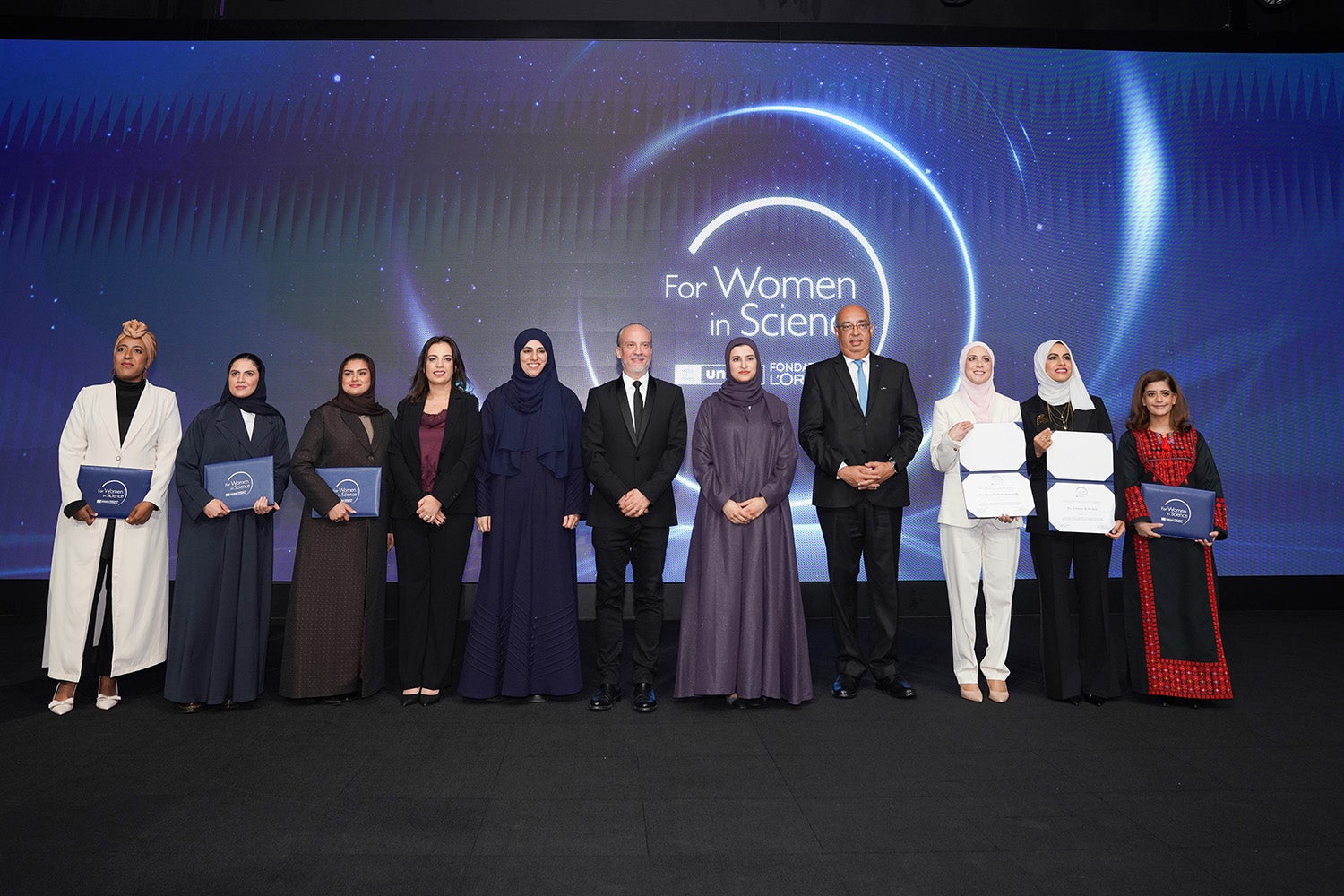
The 12th edition of the L’Oréal-UNESCO For Women in Science Middle East Regional Young Talents Program has recognized twelve exceptional Arab women in STEM fields. Supported by Khalifa University and L’Oréal Middle East, this initiative shines a light on emerging leaders whose work encompasses vital areas such as robotics, RNA therapies, climate resilience, and microbiome research.
Recognition of Innovators
Since its inception in the Gulf Cooperation Council (GCC), the L’Oréal-UNESCO program has acknowledged the contributions of 63 female researchers, disbursing a total of AED 3.8 million in endowments. This initiative is part of a wider global commitment that has already benefitted over 4,700 women in science across 140 countries. The ramifications of their work extend beyond scientific advancements; these women are developing concrete solutions to some of the world’s most pressing issues.
Trailblazing PhD Students
Among the 2025 winners are PhD students like Aysha Ali Samra AlShehhi from the UAE, who is developing a bio-inspired robotic arm aimed at aerospace engine repair. Fatimah Abdulhakim from Saudi Arabia is conducting critical research in plant immunity, which plays a crucial role in ensuring global food security. Ohood Al-Ghadani, also a standout participant from Oman, is addressing post-harvest food loss through innovative packaging redesigns.
Advancements in Post-Doctorate Research
In the post-doctorate category, Dr. Nadine Hosny El Said from the UAE is advancing patient care using epigenetics and RNA therapy techniques. Dr. Ayat Hammad from Qatar is exploring the relationships between microbiomes and various diseases. Additionally, Dr. Fatemah Jawad Bahman from Kuwait is mapping genetic connections between diet, inflammation, and metabolic disorders.
Expanding the Reach
The program also celebrated winners from the 2024 cycle, whose impactful research areas included quantum dots, cardiovascular health, autism genetics, and the effects of climate change on marine ecosystems.
Commitment to Empowerment
Sarah Al Amiri, the UAE Minister of Education, highlighted the program’s significance, stating that it serves as a foundational pillar in promoting women’s roles in the scientific community. Each year, the initiative reinforces this commitment, strengthening the future prospects of women in science throughout the region.
As reported by www.savoirflair.com.